

Orangutan trekking in Bukit Lawang can be a manageable rainforest experience when you choose a suitable trek, prepare properly, and follow your guide.
However, it is not a risk free activity. You will be walking through a natural rainforest where trails, weather, rivers, and wildlife can be unpredictable.
The main precautions are simple: choose a trek that matches your ability, share important health information, wear suitable shoes, stay with your guide, and respect every decision made because of changing conditions.
Is Orangutan Trekking in Bukit Lawang Safe?
Bukit Lawang jungle trekking involves natural risks rather than controlled attractions.
Trails may be muddy, steep, uneven, or covered with exposed roots. Tropical rain can change walking conditions and river levels. Heat and humidity can also make the trek feel more demanding than a similar walk in a cooler climate.
A local guide can assess the trail, manage the pace, explain wildlife behaviour, and change the route when necessary. You still need to prepare honestly and follow instructions throughout the trek.
The main risks travellers should understand include:
- Slippery trails and exposed roots
- Heat and humidity
- Sudden tropical rain
- Physical fatigue
- Changing river conditions
- Unpredictable wildlife behaviour
- Basic facilities during overnight treks
These risks should be taken seriously, but they do not mean you need to be an experienced mountaineer. Choosing an appropriate trek is more important than choosing the longest one.
Choose a Trek That Matches Your Ability
The right trekking duration depends on your fitness, mobility, rainforest experience, and comfort with basic camping.
Ask yourself whether you are comfortable walking on uneven ground, climbing slopes, crossing muddy sections, and continuing in humid conditions.
You should tell the trekking team before booking if you have:
- A recent injury
- Balance or mobility concerns
- Joint problems
- A medical condition affected by heat or activity
- Concerns about steep trails
- Concerns about sleeping in a basic jungle camp
A one day Bukit Lawang jungle trek may suit travellers who want to experience the rainforest without camping overnight.
A two day jungle trek includes more time in the forest and one night at a basic jungle camp.
Longer does not automatically mean better. More time in the rainforest means more walking and greater exposure to heat, humidity, rain, and basic camp conditions. It also does not guarantee a particular wildlife sighting.
You can compare the Bukit Lawang trekking packages before choosing.
What to Ask Before Booking
Safety preparation begins before you enter the forest.
A responsible trekking operator should be able to explain the route, expected difficulty, guide arrangements, wildlife rules, and what may happen if conditions change.
Before paying, ask:
- Who will lead the trek?
- Is a local jungle guide included?
- Is the required national park permit included?
- How many people may be in the group?
- What is the expected difficulty?
- What meals and drinking water are provided?
- What camping equipment is provided for overnight treks?
- What happens if heavy rain changes the trail?
- How is the river return decided?
- What personal information should guests provide?
Do not compare packages using price alone. Check the guide, permit, equipment, meals, water, camping arrangements, and weather policy.
The guide to Bukit Lawang trekking prices and inclusions explains what to check when comparing options.
Share Important Health Information
Tell the trekking team about anything that may affect your ability to walk, camp, or travel by river.
Relevant information may include:
- Previous injuries
- Mobility or balance problems
- Asthma or another condition affected by physical activity
- Food allergies
- Dietary requirements
- Essential medication
- Pregnancy
- Concerns about swimming or river travel
This information helps the team explain whether a particular trek may be suitable. It also allows them to discuss practical preparations before you arrive.
A website cannot decide whether you are medically fit to trek. Speak with a qualified health professional if you have concerns about physical activity, medication, vaccination, or travel health.
Prepare for Rainforest Conditions
You do not need to carry heavy expedition equipment for a typical Bukit Lawang trek. However, a few suitable items can improve comfort and reduce avoidable problems.
Wear Shoes With Reliable Grip
Choose comfortable walking shoes with good grip.
Rainforest trails can include mud, stones, roots, slopes, and wet leaves. Conditions may become more slippery after rain.
Avoid wearing completely new shoes. Use footwear that you have already tested and that does not cause blisters or discomfort.
No single type of shoe is perfect for every traveller. The important points are comfort, secure grip, and suitability for wet, uneven ground.
Pack Light but Protect Essential Items
A heavy bag can make humid conditions more tiring. Carry only what you need during the trek.
Useful items may include:
- Lightweight clothing
- Rain protection
- Insect repellent
- Personal medication
- Drinking water as advised by your operator
- Waterproof protection for your phone and camera
- Dry clothing for an overnight trek
- A small personal first aid kit if required
Ask what the operator provides before buying or packing extra equipment.
Larger luggage should remain at your accommodation when possible. Confirm storage arrangements before leaving for the jungle.
Check Current Weather Conditions
Rain can fall throughout the year in Bukit Lawang. A relatively drier travel period does not guarantee dry trails.
Check the current Bukit Lawang weather forecast before travelling. You should also ask the local trekking team about recent trail and river conditions.
Weather forecasts are useful, but conditions inside the rainforest may still change.
The guide to the best time to visit Bukit Lawang provides more information about seasonal planning.
Consider Your Health Before the Trek
International travellers should check current health guidance before travelling to Indonesia.
The right preparation depends on your complete itinerary, the duration of your trip, your medical history, and the activities you plan to do.
Consult a qualified travel health professional for personal advice. You can also review the current Indonesia travel health guidance.
Do not begin medication based only on advice from a trekking website. Medical recommendations may differ between travellers and can change over time.
Do Not Trek When You Are Sick
Do not join an orangutan trek if you have a fever, flu symptoms, or another illness that may be contagious.
Tell the trekking team if you feel unwell before departure. Changing your plan is more responsible than creating an avoidable risk for other guests, guides, and wildlife.
Orangutans can be vulnerable to diseases carried by humans. Keeping your distance and staying out of the forest when you are sick are important wildlife protection measures.
Stay With Your Guide
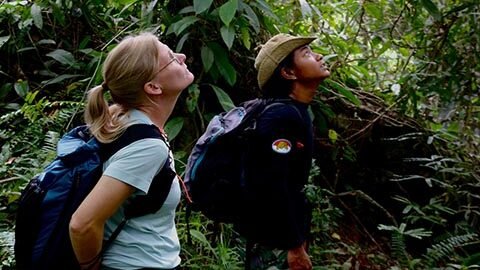
Your guide understands the local terrain and can respond to changing trail, weather, river, and wildlife conditions.
Stay with your group and do not take another path without permission. Never leave the trail to follow an animal or get a closer photograph.
If you lose sight of the group, stop rather than continuing further into the forest.
A guide is not only there to help locate wildlife. The guide also manages the pace, chooses an appropriate route, explains potential hazards, and decides when the plan needs to change.
Communicate Before You Become Exhausted
Do not wait until you are completely exhausted before speaking to your guide.
Tell the guide if you experience unusual pain, dizziness, weakness, breathing difficulty, or another problem that affects your ability to continue.
You can also ask to slow down or take a break.
Changing the pace or route does not mean the trek has failed. A good rainforest experience should not require you to push beyond your reasonable limits.
Walk Carefully on Wet and Uneven Trails
There is no reason to rush through the rainforest.
Move slowly on muddy sections, exposed roots, and slopes. Watch where you place your feet and leave enough distance between yourself and the person ahead.
Avoid walking while looking through your phone or camera. Stop in a stable position before taking a photograph.
Follow your guide when they show you where to step or how to pass a difficult section.
Manage Heat and Humidity
Humidity can make ordinary physical activity feel more demanding.
Drink water regularly according to the advice provided by your trekking team. Wear lightweight clothing and use rest stops when needed.
Do not try to match another guest’s pace if it feels uncomfortable. Different people respond differently to heat, humidity, and uneven terrain.
Tell the guide early if you feel that conditions are affecting you.

Stay Safe Around Orangutans
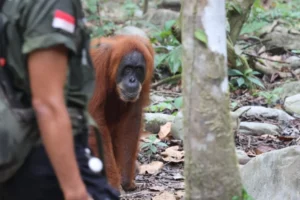
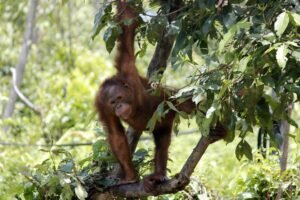
Orangutans are wild animals. An animal that appears calm should never be treated as safe to approach.
Keep at least ten metres away when possible and follow your guide if you are asked to move further back. This distance follows the visitor guidance included in the IUCN great ape tourism guidelines.
During an encounter:
- Do not touch the orangutan
- Do not offer food
- Do not call or chase the animal
- Do not block its path
- Do not use flash photography
- Keep food and personal items secure
- Keep your voice and movements controlled
- Move away when instructed
You can read more about ethical orangutan trekking and the complete jungle trekking rules.
What if an Orangutan Approaches?
Do not move closer, even if the orangutan appears relaxed.
Stay calm and wait for instructions from your guide. Do not touch, feed, or photograph the animal with flash.
Do not run unless your guide gives a specific instruction. Sudden movement may make the situation less predictable.
Move away calmly when directed and leave a clear path for the orangutan. Never stand between two orangutans, especially between a mother and her infant.
The guide should manage the encounter. Your responsibility is to remain calm and cooperate.
Accept Weather and Route Changes
Rainforest itineraries need flexibility.
Rain, fallen branches, wildlife movement, trail conditions, and the pace of the group may affect the planned route or finishing time.
Your guide may change:
- The walking route
- The pace
- The location of a break
- The campsite
- The time spent on the trail
- The river return plan
These decisions should be based on current conditions rather than the original itinerary alone.
Avoid arranging an important flight or another time sensitive journey too close to the expected end of your trek.
River Tubing Is Not Guaranteed
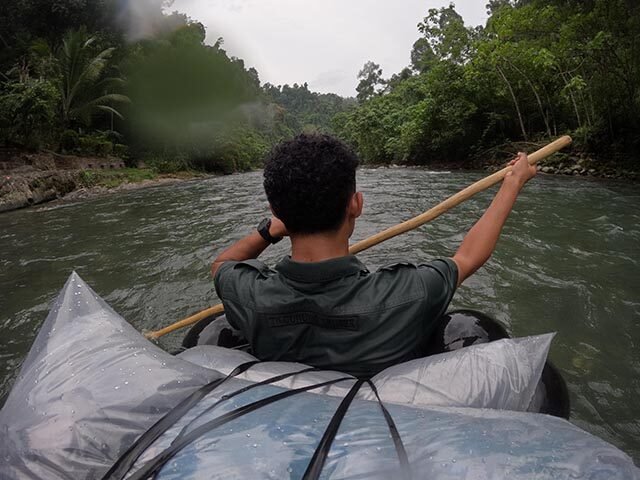
River tubing is a popular way to return to Bukit Lawang after some overnight treks.
However, it is an outdoor activity that depends on current water levels, rainfall, river flow, and the guide’s assessment.
The river plan may need to change when conditions are unsuitable. Follow the guide’s decision even if tubing was part of the expected experience.
An alternative return should not be treated as a failed trek. Current safety conditions must take priority.
Read what to expect on a two day jungle trek before choosing an overnight experience.
Understand Overnight Camp Conditions
A jungle camp is not the same as normal accommodation.
Sleeping and toilet facilities are basic. You should also expect humidity, forest sounds, and limited privacy.
Before booking, ask:
- What sleeping equipment is provided?
- What should you carry yourself?
- What toilet arrangements are available?
- How is drinking water managed?
- What happens if weather affects the campsite?
- Where should essential medication be stored?
Tell the operator if you have mobility, medical, dietary, or sleeping concerns.
An overnight trek can be rewarding, but it should be chosen because you are comfortable with simple rainforest conditions.
Safety Considerations for Different Travellers
Children and Families
Do not assume every trekking route is suitable for every child.
Suitability depends on the child’s age, fitness, walking experience, comfort in humid conditions, and the trail conditions at the time.
Parents should share the child’s hiking experience and swimming ability before booking. The operator can then explain the available options.
Older Travellers
Age alone does not determine whether someone can trek.
Balance, mobility, joint comfort, stamina, and previous injuries may be more important. A shorter trek may be more appropriate for someone who is unsure about steep or slippery terrain.
Discuss your needs before booking rather than waiting until the trek begins.
Solo Travellers
Solo travellers should confirm the group arrangement, guide arrangement, and minimum booking conditions.
Do not enter the rainforest alone. Even trails close to the village can become difficult to follow when weather or visibility changes.
Make sure someone knows which operator you are travelling with and the expected duration of your trek.
Orangutan Trekking Safety Checklist
Before entering the rainforest, confirm that you have:
- Chosen a suitable trek
- Confirmed the guide and package inclusions
- Shared relevant health and mobility information
- Checked recent weather conditions
- Packed comfortable shoes with grip
- Carried essential medication
- Protected important items from rain
- Understood the camp conditions
- Read the wildlife rules
- Accepted that the route may change
- Accepted that river tubing is not guaranteed
- Planned to stay with the group
- Agreed to communicate when tired or unwell
- Avoided trekking with contagious symptoms
Frequently Asked Questions
It involves natural rainforest risks, including slippery trails, heat, rain, rivers, and unpredictable wildlife. Choosing a suitable trek, travelling with a local guide, and following instructions can reduce avoidable risks.
A guide provides local knowledge about trails, weather, wildlife behaviour, pace, and changing conditions. Do not enter the rainforest alone.
The required fitness depends on the trek duration, route, weather, and current trail conditions. You should be comfortable walking on uneven ground. Discuss injuries or mobility concerns before booking.
Some shorter options may suit beginners with reasonable mobility and fitness. Suitability should still be discussed with the operator because trail conditions can change.
It depends on the child’s age, fitness, walking experience, weather, and route. Contact the operator before booking rather than assuming that every trek is suitable.
The trail may become more slippery, and the guide may change the pace, route, campsite, or river plan.
No. River tubing depends on current weather, rainfall, water level, and the guide’s assessment.
Tell the operator if you have symptoms that may be contagious. Do not enter orangutan habitat when you are sick.
Stay calm, do not touch or feed the animal, do not run, leave its path clear, and follow your guide’s instructions.
Travel insurance is recommended for remote outdoor activities. Check whether your policy covers trekking, medical treatment, and evacuation for your planned itinerary.
Choose a Trek That Fits Your Experience
The right trek is not automatically the shortest or longest option. It is the trek that matches your fitness, health, available time, and comfort with rainforest conditions.
Explore the available Bukit Lawang trekking packages or contact our local Bukit Lawang trekking team.
Share your preferred date, group size, fitness level, previous trekking experience, and any concerns about mobility or jungle camping. The team can explain the available options without making unrealistic safety or wildlife promises.