
The best time to visit Bukit Lawang for orangutan trekking is usually between May and September. Rain is often less disruptive during this period, so trails may be easier to walk and longer treks can be simpler to plan.
However, Bukit Lawang sits beside a tropical rainforest. Rain can fall in every month, including during the commonly preferred travel season.
Orangutans also live in the area throughout the year. Visiting in a particular month does not guarantee a sighting because they move freely through their natural habitat.
The right time for your trip depends on your priorities. Some travellers want easier trails. Others prefer fewer visitors or do not mind trekking in wet and muddy conditions.
Choose the Best Time Based on Your Priorities
Here is the short version.
For relatively easier trail conditions: Consider May to September, while still preparing for tropical rain.
For fewer visitors: Avoid the busiest weeks in July and August. Weekdays may also feel quieter than weekends and public holidays.
For a greener and quieter rainforest experience: Wetter months can still be rewarding if you are comfortable with mud, rain and possible itinerary changes.
For seeing orangutans: Sightings are possible throughout the year, but never guaranteed.
There is no single perfect month. It is more useful to choose conditions that suit your fitness, schedule and tolerance for rain.
Why Bukit Lawang Has No Completely Dry Season
Bukit Lawang is next to the rainforest of Gunung Leuser National Park. Humidity and tropical rain are part of the environment throughout the year.
The terms drier season and wetter season describe general patterns. They do not mean that one part of the year is always sunny and another is always wet.
A sunny morning can be followed by rain. A month usually described as wet can still include clear trekking days.
This is why you should not choose your travel dates based only on a long term weather average. Check the latest forecast close to your arrival and ask the local team about recent trail conditions.
The official BMKG weather service is a useful source for current Indonesian forecasts. Remember that a forecast for Medan may not perfectly describe conditions near the rainforest.
Most importantly, prepare for rain whenever you plan Bukit Lawang jungle trekking.
When Trekking Conditions Are Usually More Comfortable
May to September
May to September is the period most commonly recommended for visiting Bukit Lawang.
Rain can still occur, but it may be less disruptive than during wetter parts of the year. Trails can be firmer, although mud and slippery sections are still possible.
This period may suit you if:
- This is your first rainforest trek.
- You prefer a more predictable itinerary.
- You want to join a longer trek.
- You are not comfortable walking through heavy mud.
- You want to include river activities, subject to current conditions.
Do not leave your rain protection at home. A rainforest does not follow a fixed seasonal calendar.
July and August Crowds
July and August are often among the busier travel months.
Popular guides, accommodation and trekking dates may have less availability. Booking earlier is sensible if your dates cannot change.
Crowds are not distributed evenly across the forest. Visitor numbers can also depend on the day, route and trek duration.
Shorter trails near the main entrance may feel busier than longer routes. A weekday departure may offer a quieter experience than a weekend, although this cannot be guaranteed.
Choosing a Quieter Travel Window
If avoiding crowds matters more than finding the driest possible conditions, consider travelling outside July and August.
May, June or September may offer a useful balance, but weather and visitor numbers still vary from year to year.
You can also ask about:
- Weekday departures.
- Different starting times.
- A private trek.
- A longer route away from the busiest short trails.
Route decisions should still follow national park rules and current trail conditions.
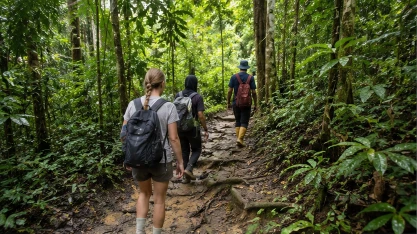
What to Expect During Wetter Months
Bukit Lawang can still be visited during wetter parts of the year.
The forest may feel greener and the village may be quieter. The tradeoff is that trails can become muddy, slippery and slower to walk.
A wetter month may suit you if you have a flexible schedule and do not mind getting wet. It is less suitable if you need a tightly timed itinerary or are uncomfortable on slippery ground.
Mud, Slippery Trails and Trekking Pace
Rain changes how the trail feels.
Steep sections can take longer, and roots or clay surfaces may become slippery. Your guide may adjust the pace or choose a different route based on the group and current conditions.
Shoes with good grip are important. Lightweight clothing, rain protection and a dry bag for electronics are also useful.
Avoid planning your trek based on the fastest possible walking time. Rain, fitness and trail conditions all affect the pace.
River Conditions and Tubing
Some trekking packages include river tubing back toward Bukit Lawang.
Tubing depends on the condition of the Bohorok River. Heavy rain can change the water level and current.
The final decision should be made by the guide or local team. An activity may need to be delayed, changed or cancelled if conditions are unsuitable.
No responsible operator should guarantee that tubing will always be available regardless of the weather.
Why a Flexible Itinerary Helps
Leave some space around your jungle trek, particularly during wetter months.
Avoid booking a flight or long road journey immediately after the expected end of a trek. Walking times can change, and river activities may be adjusted.
A buffer day can also help if weather affects your arrival from Medan or your planned departure.
Ask the local team about current conditions shortly before the trek. Recent local information is more useful than an old monthly weather chart.
Can You See Orangutans Throughout the Year?
Orangutans Are Present Year Round
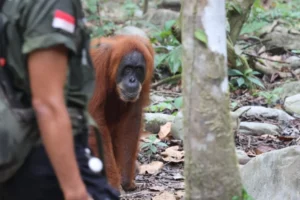
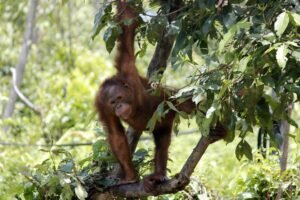
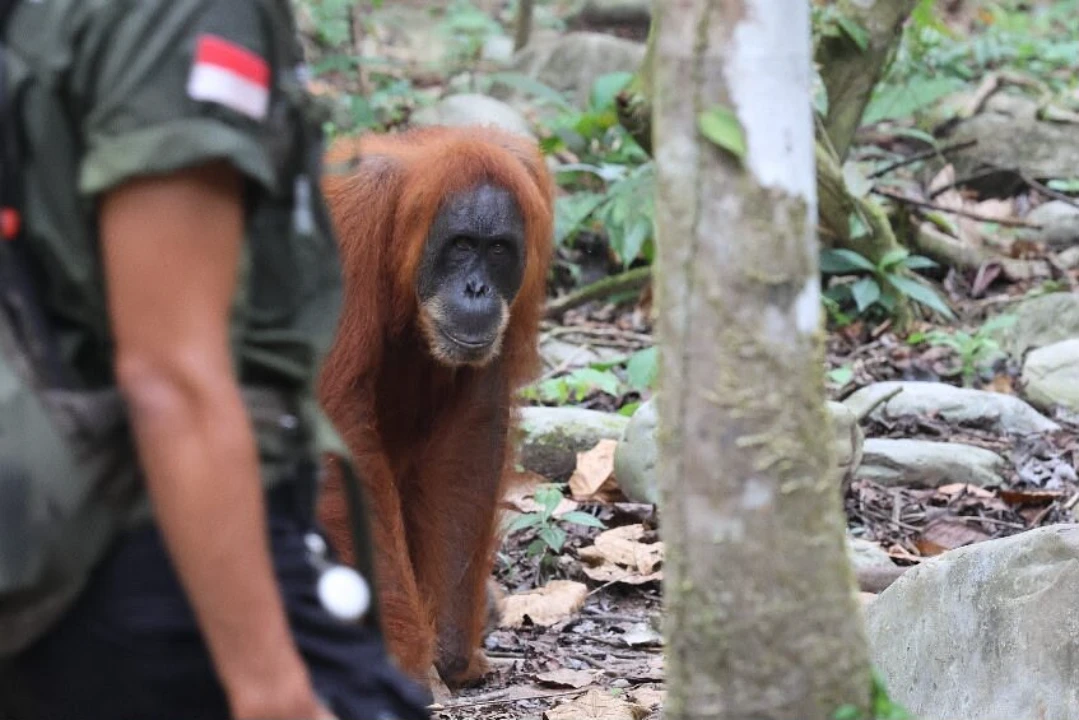
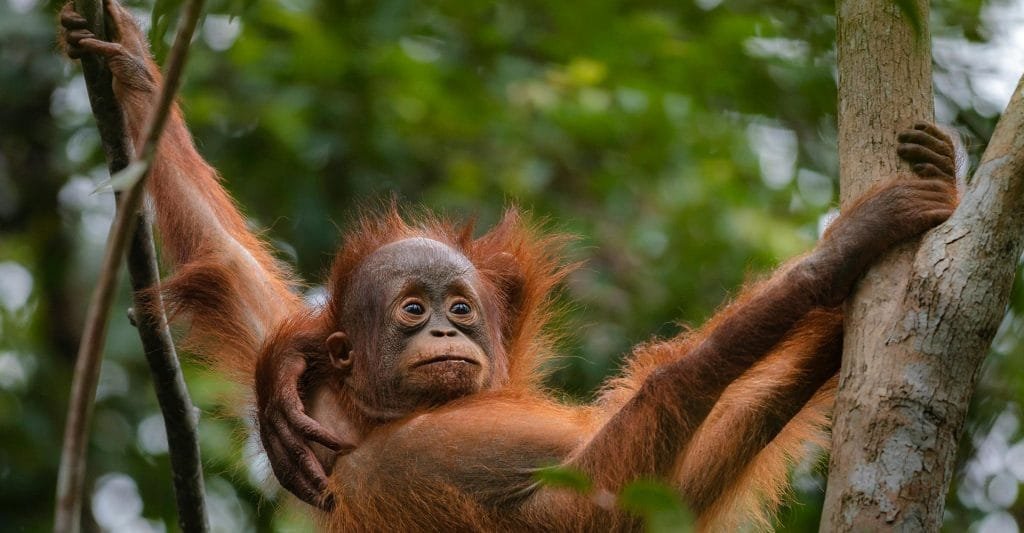
Orangutans live in the forest around Bukit Lawang throughout the year. There is no short tourist season when they suddenly arrive and then disappear.
Guided treks operate in different months because wildlife remains active in the rainforest all year.
The weather can affect your comfort and how easily you move along the trail. It does not create a guaranteed orangutan season.
Why Sightings Are Never Guaranteed
Orangutans are not waiting at a fixed viewing point.
They move through the canopy in search of food, rest and suitable habitat. Their location can change from one day to the next.
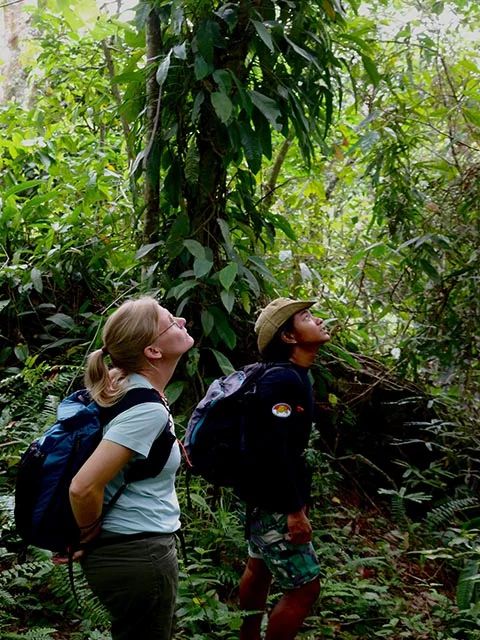
An experienced guide can look for movement, feeding signs and familiar routes. The guide still cannot control where an orangutan goes.
A longer trek gives you more time in the forest, but it does not guarantee a sighting. Ethical wildlife viewing means accepting that encounters happen on the animals’ terms.
Avoid any operator that promises a certain number of orangutans or a guaranteed close encounter.
The Best Time Based on the Experience You Want
For Your First Jungle Trek
May to September is often the easiest starting point for a first rainforest trek.
Trail conditions may be more manageable, and planning a longer route can be simpler. Rain gear is still necessary.
A two day trek can provide a balance between time in the forest, overnight camping and a manageable trip length.
You can review the two day orangutan jungle trek when comparing options.
Check the current package inclusions before booking.
For Fewer Visitors
Travel outside the busiest July and August period if a quieter experience is your priority.
Weekdays may also be calmer. Ask the local team which dates and routes currently have fewer bookings.
Do not choose a wetter month only because you expect to have the forest completely to yourself. Other visitors, trail conditions and route access can still vary.
For a Longer Rainforest Experience
A longer trek gives you more time to experience the forest, camp beside the river and observe different parts of the ecosystem.
Relatively drier conditions may make a longer trek more comfortable. However, multi day trekking can still be possible during wetter months when the guide considers the conditions suitable.
The three day orangutan jungle trek is designed for travellers who want more time in the rainforest.
More time in the forest may create more opportunities for wildlife encounters, but sightings remain unpredictable.
For Travellers Comfortable With Rain
Wetter months can offer a different rainforest experience.
You may encounter fewer visitors and see the forest during a lush period. You should also expect mud, wet clothing and possible changes to the route.
This period is best for travellers who can stay flexible and follow the guide’s decisions without expecting every activity to run exactly as planned.
How Weather Should Influence Your Trek Length
Weather is not the only factor when choosing a trek. Your fitness, available time and comfort with camping are equally important.
Short and One Day Treks
A short or one day trek can suit travellers with limited time, first time jungle visitors or people who do not want to camp overnight.
Shorter routes do not remove the possibility of rain. They simply reduce the total time spent on the trail.
These routes may also remain closer to frequently visited parts of the forest.
Two Day Trek
A two day trek usually provides one night in the jungle and more trail time than a day visit.
It may suit first time visitors who want camping without committing to a longer expedition.
During wet conditions, ask how the planned route may be adjusted. Do not assume that the exact walking schedule remains unchanged in every season.
Three Day Trek
A three day trek gives you more time in the rainforest and includes additional camping.
It is better suited to travellers who are comfortable walking on consecutive days and sleeping in basic jungle conditions.
Relatively easier trail conditions can make the experience more comfortable, but weather can still change during the trek.
Choose the longer option because you want more time in the forest, not because anyone promises a guaranteed wildlife sighting.
Check the Forecast Before Your Trek
Check the forecast again a few days before travelling.
Use an official source such as BMKG, then ask your guide or local operator about conditions in Bukit Lawang.
Useful questions include:
- Has there been heavy rain recently?
- What are the current trail conditions?
- Is the planned route operating normally?
- What footwear is recommended?
- Are river activities currently possible?
- Should I add extra time to my itinerary?
Forecasts can change. Local guide decisions should take priority during the trek.
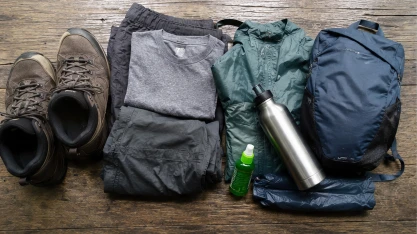
What to Bring in Every Season
Prepare for heat, humidity, rain and mud in every month.
Bring:
- Walking shoes with good grip.
- Lightweight clothing that can dry quickly.
- Rain protection.
- A dry bag or waterproof cover for electronics.
- A small backpack.
- Insect repellent.
- Drinking water as advised by your trekking team.
Your package may provide some equipment, meals or drinking water. Check the exact inclusions before travelling rather than assuming that every operator provides the same items.
Frequently Asked Questions
There is no single month that guarantees the best weather.
May to September is commonly preferred for relatively easier trekking conditions. July and August may be busier, so May, June or September can be considered if your dates are flexible.
Rain remains possible in every month.
Orangutans live in the area throughout the year, and sightings can happen in any season.
No month guarantees an encounter because the animals move freely through their natural habitat.
Orangutans live in the area throughout the year, and sightings can happen in any season.
No month guarantees an encounter because the animals move freely through their natural habitat.
July and August are often busier than other months.
Booking early and choosing a weekday may help, but visitor numbers depend on the date, route and type of trek.
Rainfall patterns vary. Some days may have short showers, while others may have longer periods of rain.
Do not plan on a fixed daily pattern. Bring rain protection and check the current forecast.
Yes. River activities depend on water level, current and the guide’s safety assessment.
Tubing may need to be changed or cancelled if conditions are unsuitable.
Not necessarily.
A shorter trek may be easier to fit into an uncertain schedule, but longer treks can still operate when conditions allow. Discuss your fitness, experience and flexibility with the local team before choosing.
Choose a Trek That Fits Your Travel Dates
Choose your travel month based on the conditions you are comfortable with, not on a promise of perfect weather or guaranteed wildlife.
A two day orangutan trek can suit first time visitors who want an overnight forest experience.
A three day orangutan trek gives you more time on the trail and two nights of jungle camping.
Before booking, share your travel month, group size and preferred trek length. The local team can explain current availability and help you choose a suitable option based on recent trail conditions.