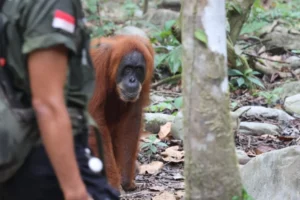

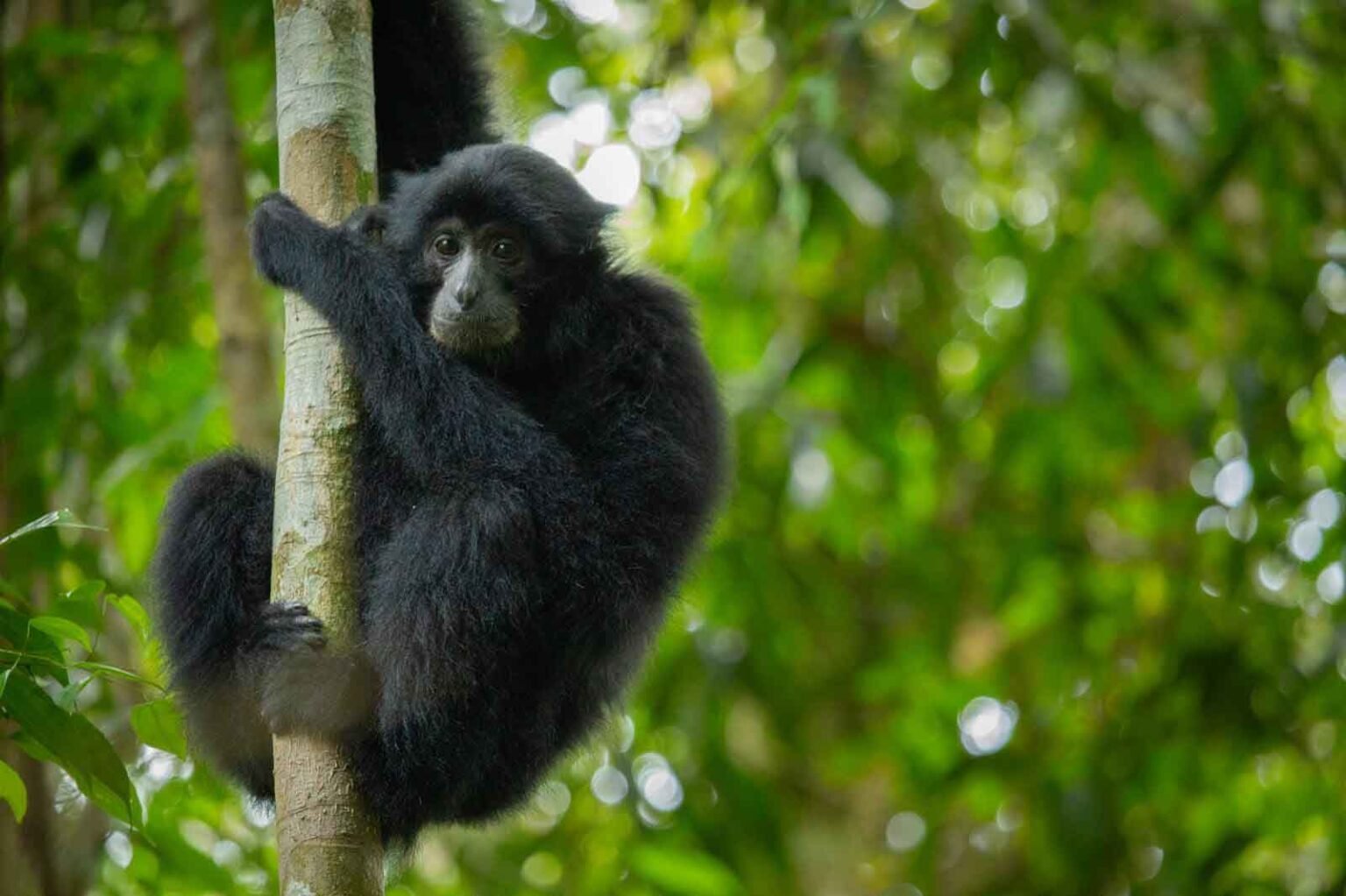
For your first orangutan trek in Bukit Lawang, choose a route that matches your fitness, prepare for wet rainforest conditions, and keep your wildlife expectations realistic.
The longest trek is not automatically the best choice. A shorter experience may suit you better if you have limited time or are unsure about sleeping in the jungle.
Use these ten tips to prepare before you book, pack, and enter the rainforest.
Before You Book Your Trek
1. Choose a Trek That Fits Your Time and Fitness
Bukit Lawang offers trekking experiences of different lengths. The right choice depends on how much time you have, your fitness, and whether you are comfortable spending the night in a basic jungle camp.
A one day Bukit Lawang jungle trek can suit travellers who want a rainforest experience without camping overnight.
A two day jungle trek gives you more time in the forest and includes one night at a jungle camp.
A three day jungle trek offers a longer rainforest experience with two nights in the jungle.
Longer treks mean more walking, more time in humid conditions, and a greater need to feel comfortable with simple camping. They give you more time in the forest, but they do not guarantee particular wildlife sightings.
If you are unsure, compare the Bukit Lawang trekking packages before deciding.
2. Confirm the Guide, Permit, and Inclusions
Do not choose a trek based only on the headline price. Ask the operator what the booking includes and what you will need to arrange separately.
Before confirming, check:
- The planned trek duration
- Whether a guide is included
- Whether required permits are included
- The expected group size
- Which meals and drinking water are provided
- What camping equipment is supplied
- Whether a river return is planned
- Whether transport or accommodation is included
- The payment and cancellation conditions
Inclusions can vary between operators and packages. Ask for the details in writing so you can compare options properly.
You can also read the Bukit Lawang orangutan trekking cost guide to understand what may affect the total cost.
3. Arrive in Bukit Lawang Before Your Trekking Day
When possible, arrive in Bukit Lawang at least one day before entering the jungle.
This gives you time to rest after travelling, check into your accommodation, meet the trekking team, and prepare your bag. You can also confirm the meeting point and ask any final questions.
Keep only essential items in your trekking bag. Larger luggage can usually remain at your accommodation, but you should confirm storage availability before leaving.
If you have not planned your journey yet, read how to get to Bukit Lawang and the Bukit Lawang trip planning guide.
You can also check the available accommodation in Bukit Lawang.
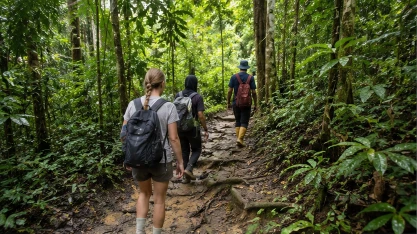
Prepare for Rainforest Conditions
4. Expect Heat, Humidity, Rain, and Mud
Bukit Lawang has a tropical rainforest climate. Conditions can feel hot and humid, and rain is possible throughout the year.
Rain can make roots, slopes, and riverbanks more slippery. It may also affect walking speed, trail conditions, camping arrangements, and river activities.
Weather forecasts are helpful, but they cannot tell you exactly what conditions will be like inside the forest. Pack for rain even when the forecast looks clear.
For seasonal planning, see the guide to the best time to visit Bukit Lawang. You can also check current regional weather information through BMKG, the Indonesian weather agency.
5. Wear Shoes With Grip and Pack Light
Choose comfortable walking shoes with reliable grip. The trails can include mud, exposed roots, uneven ground, and slippery slopes.
New shoes are not always a good idea. Wear shoes that you have already tested and that do not cause blisters.
A practical trekking bag may include:
- Light and comfortable clothing
- Rain protection
- A small backpack
- Insect repellent
- Sunscreen
- Personal medication
- A reusable water bottle if requested by your operator
- Waterproof protection for your phone and camera
- Dry clothes for after the trek
- A small amount of toilet paper or tissues
Avoid carrying unnecessary valuables and heavy items. A lighter bag makes walking through humid conditions more comfortable.
Ask your operator what is provided before buying or packing extra equipment.
6. Share Your Fitness and Health Information
Tell your guide or operator about anything that could affect your trek.
This may include:
- Recent injuries
- Difficulty with balance or steep terrain
- Medical conditions affected by heat or physical activity
- Essential medication
- Food allergies
- Dietary requirements
- Concerns about camping or river travel
This information helps the team recommend a suitable experience and prepare where possible.
Being honest about your fitness does not necessarily mean you cannot trek. It helps prevent you from choosing a route that may be uncomfortable or unsuitable.
Read the Bukit Lawang jungle trekking safety guide before your trip.
7. Understand What a Jungle Camp Is Like
An overnight jungle camp is not a hotel. Facilities are simple, and the exact setup can vary between operators and trekking routes.
Expect a basic sleeping area, rainforest humidity, limited toilet facilities, and the natural sounds of the forest at night.
Before booking, ask what sleeping equipment is supplied and what personal items you need to bring. You should also mention any concerns that may make jungle camping difficult for you.
If you are considering an overnight experience, the guide to what to expect on a two day jungle trek explains the experience in more detail.
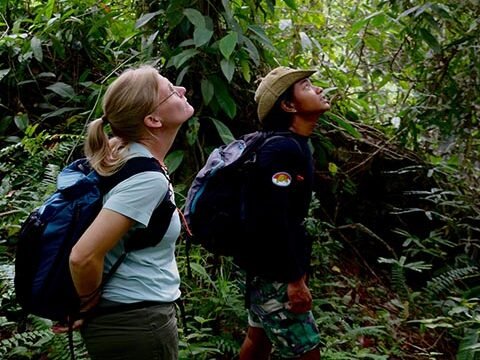
During Your Orangutan Trek
8. Follow Your Guide and Respect Wildlife
Your guide understands the local trails, changing forest conditions, and appropriate behaviour around wildlife. Stay with the group and follow instructions about where to walk, stop, or wait.
If you encounter an orangutan or another wild animal:
- Keep the distance required by your guide
- Never touch or feed the animal
- Do not call, chase, or block its path
- Avoid sudden movements and loud voices
- Do not use flash photography
- Keep food secured
- Carry your rubbish out of the forest
An orangutan may appear calm, but it is still a wild animal. A responsible encounter allows the animal to decide where it moves and how long it remains nearby.
Read more about ethical orangutan trekking in Bukit Lawang and the local jungle trekking rules.
For wider conservation guidance, see the IUCN best practice guidelines for great ape tourism.
9. Keep Your Wildlife Expectations Realistic
Orangutans and other animals move freely through the rainforest. Their location and behaviour cannot be controlled.
No responsible operator should promise a particular encounter. Spending more time in the forest gives you a longer rainforest experience, but it does not guarantee that you will see a specific animal.
A good trek is not only about taking a close orangutan photograph. It is also an opportunity to understand the forest, notice smaller wildlife, listen to your guide, and observe animals without disturbing them.
You can learn more from the guide to responsible orangutan trekking.
Plan a Flexible Return
10. Leave Time for Route and River Changes
Rainforest itineraries require some flexibility.
Weather, trail conditions, river levels, wildlife movement, group pace, and the guide’s assessment may affect the route or finishing time.
Some trekking experiences may include a return by river. However, river activities should depend on current conditions and the guide’s decision. They should never be treated as guaranteed in every situation.
Avoid arranging an important flight or another time sensitive journey too close to the expected end of your trek. A flexible schedule reduces pressure if the group returns later than planned.
First Orangutan Trek Checklist
Before leaving for the jungle, make sure you have:
- Chosen a suitable trek duration
- Confirmed what your booking includes
- Shared relevant medical and dietary information
- Arranged accommodation before the trek
- Confirmed the meeting point and starting time
- Packed comfortable shoes with good grip
- Prepared for rain and humidity
- Protected electronics from water
- Understood the camp conditions
- Read the wildlife rules
- Accepted that sightings cannot be guaranteed
- Left enough time after the trek
Frequently Asked Questions
Some trekking options may suit beginners, but conditions can still include humidity, mud, roots, slopes, and uneven ground. Choose the duration according to your fitness and discuss any concerns with the operator.
The required fitness depends on the route, duration, weather, and trail conditions. You should be comfortable walking on uneven terrain. Ask the operator about the expected difficulty before booking.
Wear comfortable walking shoes with reliable grip. Avoid using completely new shoes for a jungle trek.
Bring light clothing, rain protection, insect repellent, sunscreen, personal medication, waterproof protection for electronics, and dry clothes. Confirm the packing list with your operator because inclusions can differ.
Jungle camps are basic rather than hotel style. The facilities and equipment depend on the operator and route, so ask what sleeping equipment and toilet arrangements are provided.
No. Orangutans are wild animals that move freely through the forest. Sightings and the distance of an encounter cannot be guaranteed.
Rain may make trails slippery and affect the route, pace, river conditions, or camping arrangements. Follow your guide’s instructions and be prepared for changes.
No. River activities depend on current weather, water levels, and the guide’s safety assessment.
Arriving at least one day before the trek is recommended when possible. It gives you time to rest, prepare, and confirm the arrangements.
Booking conditions and group arrangements vary. Solo travellers should ask the operator whether joining another group is possible and whether a minimum booking requirement applies.
Choose a Trek That Fits Your First Rainforest Experience
Your first orangutan trek does not need to be the longest option.
Choose a duration that matches your available time, fitness, and comfort with basic jungle camping. A suitable trek will usually be more enjoyable than selecting a longer route simply because it appears more complete.
Explore the available Bukit Lawang jungle trekking packages or contact the trekking team with your travel date, available time, fitness level, and camping preference. They can help you identify an appropriate option without promising a particular wildlife encounter.